
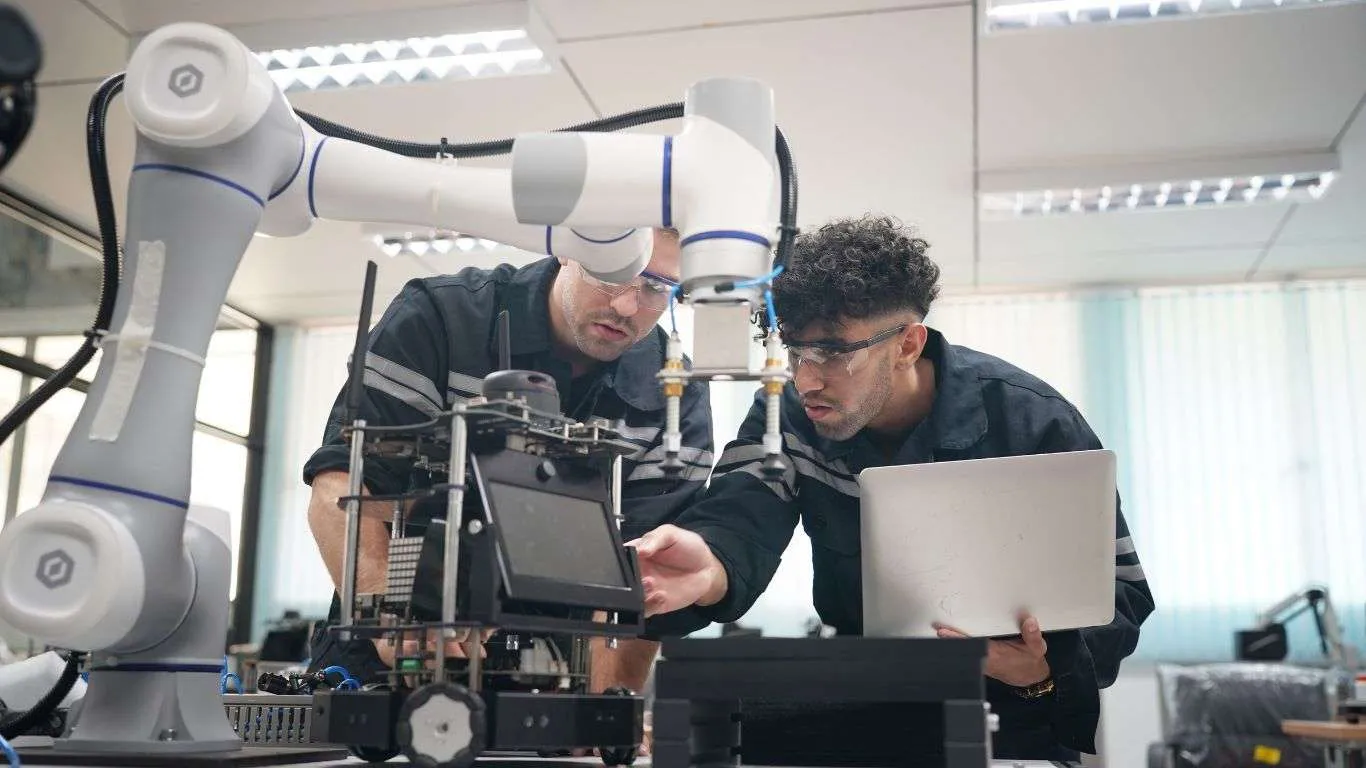
Understanding the Importance of Prototype Development
Prototype development is a crucial phase in the fast-evolving product design and development world. A prototype is a bridge between design ideas and the creation of many products. It shows what the product will be like before making many of them. This blog post explores the significance of prototype development and shows how prototypes help refine product design, test functions, and communicate ideas effectively.
Prototype Development: Bridging Concept and Reality
Prototype development is a transformative phase in product design, acting as a crucial bridge from concept to reality. During this stage, abstract ideas come to life in physical form, allowing designers and engineers to delve into the tangible aspects of their vision. It’s not merely about creating a product that looks good; it’s about manifesting a practical and feasible concept in the real world.
In the early stages of development, ideas often exist only as sketches or digital models. Initial representations are crucial for understanding concepts. However, they don’t provide the hands-on, three-dimensional feedback needed for a complete assessment. Prototype development bridges this gap by creating a physical model. Stakeholders can then interact with the model to better understand its functionality. Interacting with the product gives us valuable insights right away. We can better appreciate its ergonomics, scale, and usability, which is hard to do online.
The transition from concept to prototype is crucial. It brings together engineers, designers, and marketers to work more effectively. Having a concrete model encourages collaboration and innovation.
Prototype development also serves as a reality check. Testing the feasibility of the concept is crucial for ensuring that we can make the product within budget and material limits. During this stage, adjustments are often made to the design to meet manufacturing and market needs. Theoretical ideas may require modifications to be more practical.
Prototype development is a crucial stage where the envisioned product starts becoming real. It evolves from an idea into a functional item ready for testing, evaluation, and improvement. This step ensures the design works technically and commercially, bringing ideas closer to reality.
Testing and Refining Functionality
Testing and refining functionality is crucial during prototype development. It ensures the product meets design specifications and fulfills user needs and expectations. During this phase, we look beyond the product’s appearance to see how well it works in real-life situations. This is where the ideas on paper meet the real world, showing us how usable and practical the product is.
Prototyping allows for a hands-on approach to testing. Developers can interact with the product, observing and evaluating its functionality. This process is iterative, with each test leading to refinements that enhance the product’s design and usability. Every adjustment aims to improve comfort or ensure reliability, bringing the product closer to its perfect form. This process involves refining different aspects to achieve the desired outcome.
During prototype development, functional testing isn’t just about finding flaws. It’s also a chance to uncover potential improvements. Even if a product meets its initial specifications, there’s often room for enhancement. Taking a proactive approach to refining functionality can lead to innovative features that can set the product apart in competitive markets.
Moreover, testing isn’t confined to the development team. User testing is integral to the process, providing invaluable feedback from the end user’s perspective. This feedback can reveal unforeseen issues and suggest practical enhancements that developers might not have considered.
The testing and refining phase of prototype development is crucial for transforming a good product into a great one. It ensures that the final product is not only functional but also optimized for the best user experience. It meets and exceeds the market’s demands and expectations.
Facilitating Clear Communication
Effective communication is crucial during product development. Prototype development is critical to ensuring this clarity. A prototype is similar to a universal language. It’s something that everyone, including designers, engineers, marketers, and stakeholders, can easily understand. It helps them all share the same vision for the product.
Unlike drawings or computer models that can’t show everything, a prototype is something you can see and touch. This makes it easier to understand and work with. When team members can see, feel, and interact with a prototype, they better understand the product’s design. This helps them grasp its function and potential more effectively. This hands-on experience is invaluable for aligning the team’s vision and ensuring everyone is in sync.
Furthermore, prototypes are essential in communicating with external stakeholders. For investors and clients, a prototype is a proof of concept that demonstrates the team’s progress and commitment to the project. It makes the abstract tangible, showing the practical application of ideas and the feasibility of the product. This can be crucial for securing funding, gaining trust, and building partnerships.
In customer-focused development, prototypes allow for early user engagement and feedback. Showing a prototype to users can gather important feedback. It can include their reactions, preferences, and suggestions. This feedback is crucial for improving the product to meet user needs, making it more likely to succeed in the market.
Prototype development involves more than just creating a product. It’s also about fostering understanding and agreement among everyone involved in its creation. This process promotes clear communication. It bridges disciplinary gaps and turns ideas into successful products ready for the market.
Accelerating Market Entry With Prototype Development
Prototype development significantly accelerates the process of bringing a product to market. This development phase is crucial. It helps to smooth the transition from concept to commercialization. It allows companies to navigate the complexities of product launches more efficiently.
By the time a product reaches the prototype stage, the team has already done lots of testing to fix big problems. This makes the product closer to being ready for the market, so there’s less time needed for more changes and approvals. Companies can move faster through the last stages of making, packing, and sending the product.
Prototypes also facilitate the early detection of potential manufacturing issues. During the prototype phase, identifying these challenges helps companies adjust the design. This prevents costly changes during manufacturing later on. This proactive approach speeds up manufacturing and maintains budget control.
Moreover, prototypes are invaluable for pre-market activities like marketing and consumer testing. Using them can create buzz and anticipation in the market, generating interest and demand even before the official launch. Early exposure to the product through prototypes allows companies to see consumer responses. They can gather feedback and refine their marketing strategies accordingly. Finally, a working prototype shows retailers and distributors that the product is ready for sale, which can speed up negotiations and deals for distribution.
Prototype development is a strategic tool. It refines the product and speeds up its journey to the marketplace. Prototypes help with early testing, manufacturing adjustments, marketing, and distribution negotiations. They enable companies to launch products more swiftly and successfully.
To stay current with us, please follow our Facebook and TikTok pages.