
The Benefits of Using a 3D Printed House Model in Real Estate Showrooms
In the dynamic world of real estate, innovation is key to captivating potential buyers. Learn how new technology, like 3D printed house models, is changing how they show properties and sold worldwide. This tool demonstrates properties, helping clients imagine their future homes in an immersive way. Learn about the advantages of 3D printed house models in real estate showrooms and how they raise the bar in property sales.
Introduction to 3D Printed House Models in Real Estate
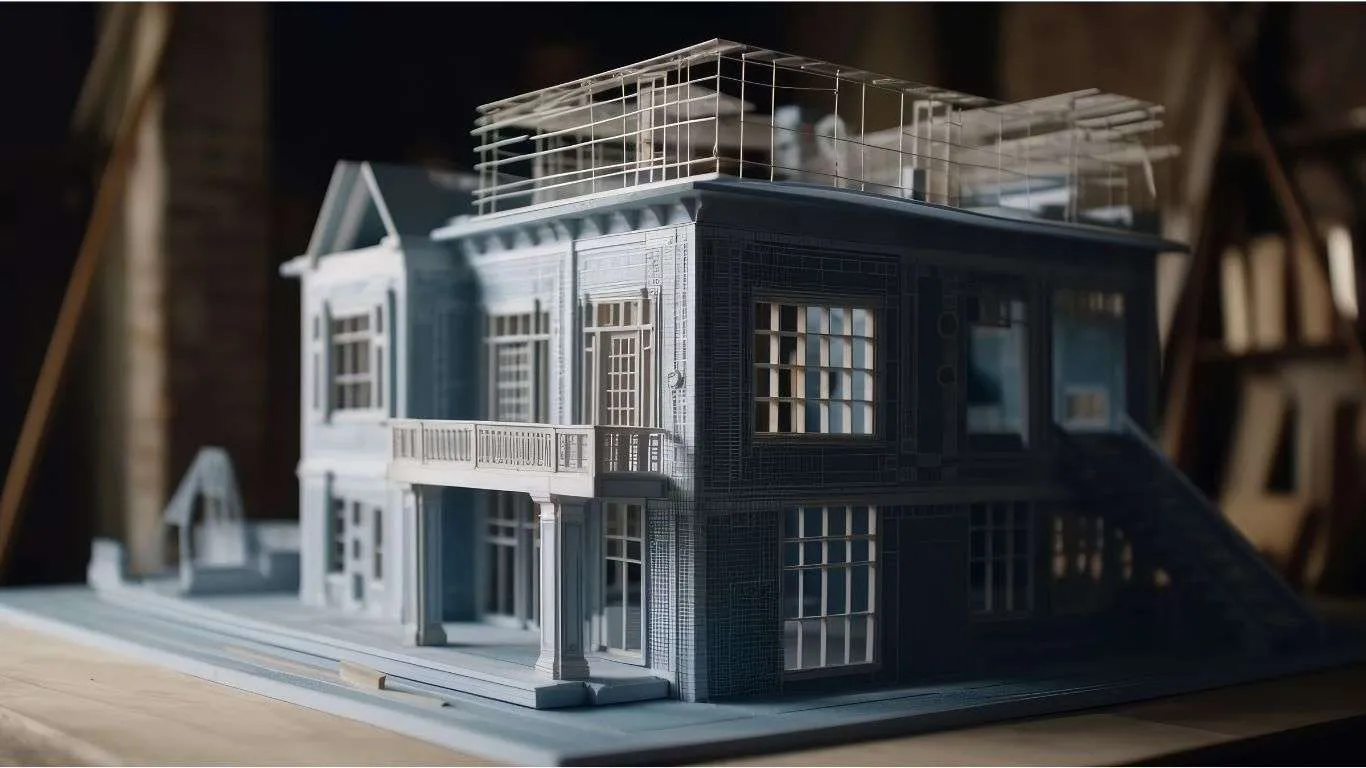
In the fast-paced world of real estate, the introduction of 3D printed house models marks a significant leap forward. Advanced 3D printing technology creates revolutionary property presentations. Unlike flat floor plans, these detailed models show future homes in a realistic way. They make it easier for buyers to envision their living spaces.
The use of 3D printed house models in real estate started small but gained popularity fast because of their clear benefits. These models show a property’s layout, size, and space dynamics in detail, better than flat images or digital simulations. Clients can explore various aspects of the house, like the roof slope and interior layout, giving them a clearer idea of what to expect.
Moreover, 3D printed models improve communication. They help real estate pros and clients understand the property. This clarity can significantly enhance customer satisfaction and confidence in their investment decisions.
The use of 3D printed house models reflects a shift in the real estate industry. It’s moving towards new and interactive sales techniques. Providing a hands-on, engaging experience sets companies apart in a rapidly changing market. In it, technology and customer experience intertwine, symbolizing the industry’s future.
Enhancing Client Understanding and Engagement
Using 3D printed house models in real estate showrooms helps clients understand and engage. Unlike flat images and digital tours, these models offer a tangible, interactive experience. They change how clients see and connect with a property.
When clients step into a showroom and interact with a 3D printed model, they gain a comprehensive perspective of the property. This model helps people see how rooms fit together in the house, and it also lets buyers understand the design better. Buyers can explore the house like they’re there, which makes them feel more connected and interested in buying.
This level of engagement is crucial in the decision-making process. 3D printed models provide an easier understanding of the property. They help clients make informed decisions with more confidence. They can see the potential of the space, envisioning their life and belongings in it, which is often a decisive factor in their investment.
Moreover, the interactive nature of these models encourages questions and discussions. People often talk more with real estate agents, asking questions and learning more about properties. This helps them understand better and trust the agent more.
3D printed house models help people understand real estate better. They show what a property looks like and make the experience more enjoyable. These models are a vital tool in modern real estate showrooms.
Streamlining the Sales Process
Using 3D printed house models in real estate showrooms makes selling homes easier. The models help explain architectural details and layouts. They help clients understand properties better without long explanations or technical drawings.
3D printed models represent the property. They make its features and potential easier to grasp and faster to understand. This immediate, clear comprehension helps accelerate potential buyers’ decision-making process. They can quickly check if a property meets their needs and preferences. This speeds up the path from initial interest to final decision.
Additionally, these models reduce the chance of confusion compared to regular 2D plans or detailed pictures. Clients sometimes struggle to understand flat images in three dimensions, but with a 3D model, it’s clear. This makes it easier for clients to see the space, cutting down on the need for multiple viewings and discussions and making sales quicker.
In the real estate market, selling faster and keeping clients happy is crucial. 3D printed house models improve buyer experience and help sell homes faster. They’re a smart tool for quick sales and improving real estate.
Cost-Effective Marketing and Customization
3D printed house models aren’t just fancy tools to interest buyers; they’re also smart for real estate companies. They’re detailed but cheaper and quicker to make than regular models. This saves money and time, making them great for showing properties without spending too much.
The customization aspect of 3D printing technology is another significant advantage. Real estate developers and agents can easily tailor the models to fit the specific needs and preferences of their clients. 3D printed models let you change layouts, try new designs, and adjust sizes easily. They make properties more attractive to buyers and help clients feel a stronger connection to the space.
These customizable models are useful for marketing in both real-life showrooms and online. You can use them for meetings and online listings to keep marketing consistent and engaging. This makes the property more visible and attractive, drawing in more people and increasing the chances of selling it. 3D printed house models are a strategic investment for real estate businesses. They offer a cheap, customizable, and versatile marketing solution. They can greatly affect the sales process and client satisfaction.
The use of 3D printed house models in real estate showrooms is undoubtedly a game-changer. These models simplify property understanding, quicken sales, and offer more affordable customization. As technology advances, real estate may use 3D printed house models more. This change will affect the presentation and sale of properties.
To stay current with us, please follow our Facebook and TikTok pages.